
Biweekly vs Monthly Pay – What’s Better?
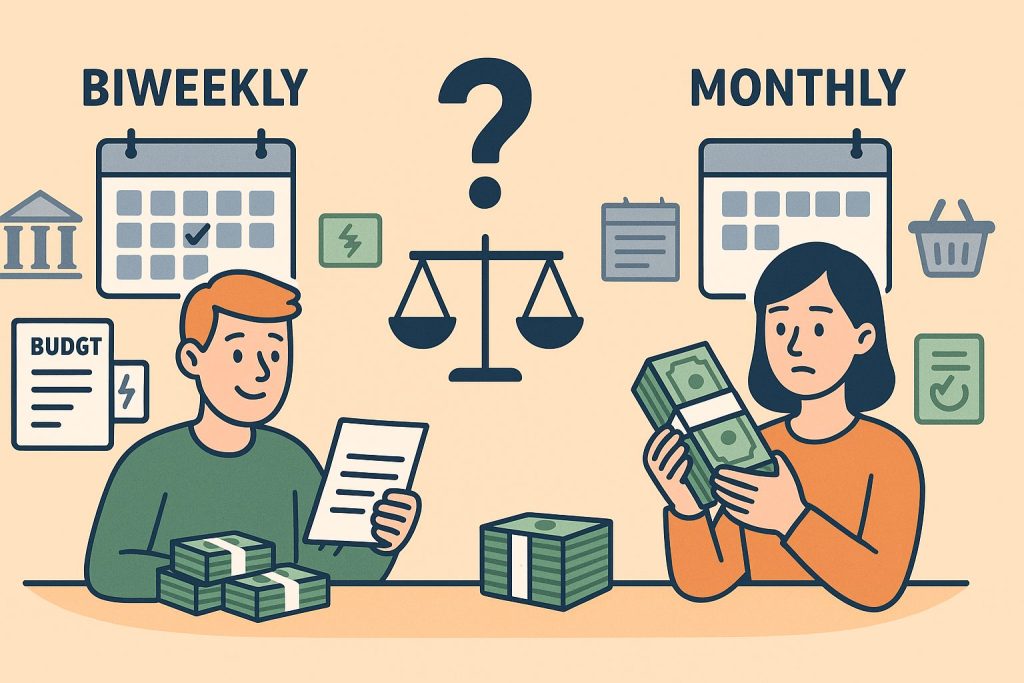
Monthly pay schedules offer you the convenience of receiving a single paycheck each month, but biweekly pay can provide you with more frequent cash flow. Understanding the differences between these pay schedules is vital for making an informed choice that suits your financial habits and needs. While monthly payments may allow for easier budgeting, biweekly options can help you manage unexpected expenses more effectively. In this post, we’ll explore the benefits and potential drawbacks of each pay frequency, helping you determine which option aligns best with your lifestyle.
Key Takeaways:
- Biweekly pay provides employees with more frequent access to their earnings, which can enhance cash flow and budgeting capabilities.
- Monthly pay may offer a higher perceived paycheck amount, but it can lead to larger gaps between payments, making it challenging for some people to manage expenses.
- Employer preferences for biweekly or monthly pay structures can depend on payroll processing costs, employee turnover rates, and administrative efficiency.
The Financial Dynamics of Pay Frequency
The choice between biweekly and monthly pay impacts your financial landscape significantly, shaping your cash flow, savings potential, and investment strategies. Understanding these dynamics equips you to make informed decisions that align with your lifestyle and financial goals. Each pay frequency presents unique challenges and benefits, particularly regarding your budgeting practices and how you manage your day-to-day expenses, ensuring you remain financially stable and secure.
Cash Flow Management: Impacts of Biweekly vs Monthly
Biweekly pay usually translates to 26 paychecks a year, providing you with more frequent infusions of cash, which can help cover bills or unexpected expenses. Conversely, with monthly pay, you receive a larger lump sum once a month, requiring more thorough planning to avoid cash flow issues. Depending on your spending habits, sticking to a monthly budget could lead to anxiety as you manage your finances throughout the month, while a biweekly approach can give you more frequent relief.
Budgeting Strategies Aligned with Pay Periods
Crafting a budget that reflects your pay schedule can optimize your financial management. For those receiving biweekly pay, implementing a two-week budgeting cycle can create a rhythm to monitor expenses and savings more effectively. Alternatively, if you receive monthly pay, focusing on tackling your largest expenses early in the cycle is vital, allowing you to stretch your resources efficiently. In both cases, tracking spending and setting aside savings on each payday can help you maximize your funds.
Building a budget around your pay frequency requires attention to your personal expenses and priorities. For biweekly pay, breaking down your budget into manageable two-week segments facilitates easier tracking of regular expenses like groceries or transportation. Alternatively, with monthly pay, you might allocate specific funds for imperative costs at the beginning of the month and use the remaining balance to plan for discretionary spending or savings goals. This tailored approach helps maintain financial discipline, prevents overspending, and allows you to catch any discrepancies ahead of time.
The Psychological Effects of Your Pay Schedule
Your pay schedule significantly influences your well-being and financial mindset. Employees receiving regular biweekly paychecks often experience a sense of financial security, as predictable biweekly income helps in budgeting and managing expenses. Conversely, those on a monthly pay schedule may sometimes find themselves stressing over cash flow as they await their larger paycheck. Understanding you own emotional response can help in adapting to your chosen pay frequency. For a deeper probe this debate, check out Bi-Monthly vs. Bi-Weekly Pay: Pros & Cons.
Stress and Financial Stability: Analyzing Pay Frequency Choices
Cash flow management is a significant factor in your financial stability. You might find that receiving money every two weeks allows for easier allocation towards bills and vital expenses. Conversely, waiting an entire month could lead to stress and anxiety as you might struggle to manage your expenses effectively, leading to a heightened risk of overdraft fees or credit card debt.
Motivation and Job Satisfaction Linked to Pay Structures
Research shows that the frequency of your pay can impact motivation and overall job satisfaction. Receiving compensation on a biweekly basis often leads to feelings of increased worth and acknowledgment from your employer, enhancing your connection to the company’s goals. Regular payments contribute to a sense of routine and achievement, positively influencing your motivation levels.
Moreover, surveys indicate that employees who receive frequent paychecks report higher satisfaction compared to those with less frequent disbursements. The immediacy of a biweekly paycheck can lead you to feel more valued and engaged in your work. This constant reminder of financial reward may inspire you to invest more in your performance, fostering a productive workplace environment. The correlation between timely payments and job satisfaction underlines how important your pay schedule is in shaping not just your finances, but also your professional outlook.
Industry Standards: Who’s Paying What?
Understanding how different industries approach pay frequency can help you navigate your own financial situations. For instance, the tech industry often opts for biweekly pay to align with fast-paced project timelines, while monthly pay is more common in sectors like education and some non-profits, where budget cycles dictate salary distribution. The trend varies widely, and knowing your field can set realistic expectations regarding compensation.
Common Practices Across Various Sectors
In the finance sector, many firms favor biweekly pay to keep employees motivated with more frequent income, while the retail and hospitality industries often utilize a weekly pay approach to maintain a stable workforce. Conversely, construction jobs typically adhere to a monthly payment schedule, directly reflecting contract payment terms. These practices shape not only how you budget your expenses but also the workplace environment.
Effects of Pay Frequency on Employee Retention and Morale
Pay frequency has a tangible impact on employee retention and overall morale. Studies indicate that shorter pay periods, like biweekly, can enhance job satisfaction by ensuring employees feel secure and valued through regular disbursements. In contrast, the extended wait for monthly payments can lead to financial stress, affecting productivity and motivation. Companies that prioritize a consistent and supportive pay structure often find greater employee loyalty.
When you receive your salary more frequently, it plays a direct role in your financial well-being. A biweekly schedule can reduce anxiety about making timely payments on debts or bills, leading to improved focus and performance at work. Employers who adopt this approach typically enjoy higher retention rates, as employees feel less financial strain and remain more engaged with their roles. In contrast, if you’re forced to stretch your finances over longer periods, the risk of burnout and dissatisfaction increases, illustrating the critical role of pay frequency in fostering a positive workplace culture.
Discover more about does weekly pay increase to enhance your knowledge.
Tax Implications and Deductions: Decoding Pay Frequency
Pay frequency directly impacts how your taxes are withheld and filed. With biweekly pay, you receive a consistent paycheck every two weeks, leading to a more steady and predictable tax withholding pattern. In contrast, a monthly pay schedule may result in larger deductions once a month, which could impact your cash flow and create challenges in budgeting for tax liabilities. Understanding how these schedules affect your overall tax deductions, credits, and potential refunds will be crucial for effective financial planning.
How Pay Schedules Influence Tax Withholdings
The frequency of your paycheck can influence your tax withholdings significantly. For instance, if you’re paid biweekly, your employer calculates your federal and state tax withholdings every pay period based on the IRS withholding tables. This could mean smaller deductions with more frequent paychecks, allowing for easier budgeting throughout the month compared to larger monthly deductions that might affect your financial flexibility.
Strategies for Year-End Tax Preparation Depending on Pay Frequency
Year-end tax preparation can vary based on whether you are paid monthly or biweekly. Biweekly schedules may help you spread out your income and deductions more evenly throughout the year, making it easier to manage your withholding and tax liability. However, if you’re on a monthly pay schedule, the lump sum can create larger tax considerations in one go, requiring a proactive approach to assessing your overall income and deductions during the year to avoid surprises come tax season.
With a biweekly pay schedule, you can strategically monitor your withholding by reviewing your paycheck stubs regularly to ensure that the appropriate amounts are being deducted. Consider adjusting your withholdings via Form W-4 to align better with your expected tax liability. For monthly pay, planning may involve setting aside an adequate portion for tax payments right after each paycheck. Utilize tax software or consult with a tax professional to help you navigate possible deductions and credits proactively, ensuring your tax preparation aligns with your cash flow and financial goals.
Discover more about how pay frequency affects to enhance your knowledge.
Making the Right Choice: Personal Considerations
Choosing between biweekly and monthly pay is not just about financial logistics; it’s also about what works for you personally. Consider factors like your budgeting habits, how often you pay bills, and if you have irregular expenses. Assessing your unique circumstances allows you to make an informed decision that aligns with your financial lifestyle. For more insights on navigating these choices, check out Biweekly vs. Semimonthly Pay: Key Differences and How to Choose.
Assessing Income Stability: Biweekly vs. Monthly Pay
Your income stability is a vital factor in determining your preferred pay frequency. Biweekly pay provides you with 26 paychecks per year, leading to slightly higher annual earnings compared to monthly pay. This extra paycheck could be just what you need to navigate fluctuations in expenses, while monthly pay may feel more stable and predictable. Carefully evaluate your financial patterns to see which option enhances your cash flow and reduces uncertainties.
Tailoring Pay Frequency to Lifestyle and Financial Goals
Your lifestyle and financial goals should significantly influence your choice between biweekly and monthly pay. If you’re focused on budgeting tightly, biweekly pay’s more frequent cash inflow can help you manage monthly bills more effectively. Conversely, if you prefer a straightforward approach to monthly budgeting, a monthly paycheck might align better with your financial strategies. Tailoring pay frequency to fit your life helps create a smoother financial journey.
Being mindful of your lifestyle and financial aspirations can enhance your overall financial management. For instance, if you find yourself frequently running into cash flow issues around certain times of the month, switching to a biweekly paycheck can alleviate that stress. On the other hand, if you’re the type who prefers to allocate funds for the entire month, receiving one paycheck may simplify your financial planning and reduce the need for constant monitoring. Make your pay frequency choice work for you by aligning it with your unique financial landscape.
Explore our pay frequency guide for biweekly to understand the broader context.
Summary: Biweekly vs Monthly Pay – What’s Better
As a reminder, choosing between biweekly and monthly pay ultimately depends on your financial habits and needs. Biweekly pay can help you manage cash flow better with more frequent payments, while monthly pay might simplify budgeting with a fixed income at the start of each month. Evaluate your expenses, savings goals, and how each pay schedule fits into your lifestyle. By understanding the pros and cons of each option, you can make an informed decision that aligns with your personal finances.
What are the key differences between biweekly and monthly pay schedules?
The primary difference between biweekly and monthly pay schedules lies in the frequency of payments. Biweekly pay means employees receive their salary every two weeks, resulting in 26 paychecks a year. Conversely, monthly pay means employees receive a single paycheck once a month, totaling 12 paychecks annually. The choice between the two can significantly impact budgeting and cash flow, as biweekly pay provides employees with more frequent access to funds, while monthly pay consolidates income into a single larger payment, which can aid in long-term financial planning.
How does each pay schedule impact an employee’s budgeting and personal finance?
Budgeting strategies can differ greatly based on pay frequency. With a biweekly pay schedule, employees may find it easier to adjust their spending habits, as they receive paychecks more often, allowing for regular bill payments and shorter budgeting cycles. However, this can also lead to spending temptations between pay periods. In contrast, a monthly pay schedule encourages employees to plan their finances for the entire month, potentially leading to better savings strategies, but may pose challenges if unexpected expenses arise before the next paycheck hits.
What are some advantages and disadvantages of choosing biweekly vs. monthly pay for employers?
From an employer’s perspective, biweekly pay can enhance employee satisfaction due to more frequent paychecks, which can improve morale and retention rates. However, payroll processing can be more complex and increase administrative workload with 26 payroll periods each year. On the other hand, monthly pay simplifies payroll management due to fewer processing instances, yet it may lead to employee dissatisfaction due to longer waiting periods for salary, especially for those who prefer receiving their pay more frequently. Employers must weigh the benefits of employee convenience against the operational aspects of payroll management when deciding which schedule to adopt.