
Common Mistakes When Calculating Net Pay
With understanding the ins and outs of net pay calculations, you can avoid falling into common traps that might lead to errors. You may find yourself miscalculating deductions, overlooking tax implications, or failing to account for benefits that impact your take-home pay. These mistakes can result in financial discrepancies that may disrupt your budgeting or create issues with tax obligations. By being aware of these pitfalls, you can enhance your accuracy and ensure that your paychecks align with your expectations. Let’s examine the most frequent missteps to watch out for.
Key Takeaways:
- Ensure all deductions are accurately accounted for, including taxes, retirement contributions, and health insurance premiums, to avoid miscalculating net pay.
- Regularly review and update personal information, such as withholding allowances and changes in income, as they can significantly impact net pay calculations.
- Understand the difference between gross pay and net pay, as well as the specific details of payroll schedules and frequency, to improve financial planning.
The Pitfalls of Ignoring Deductions
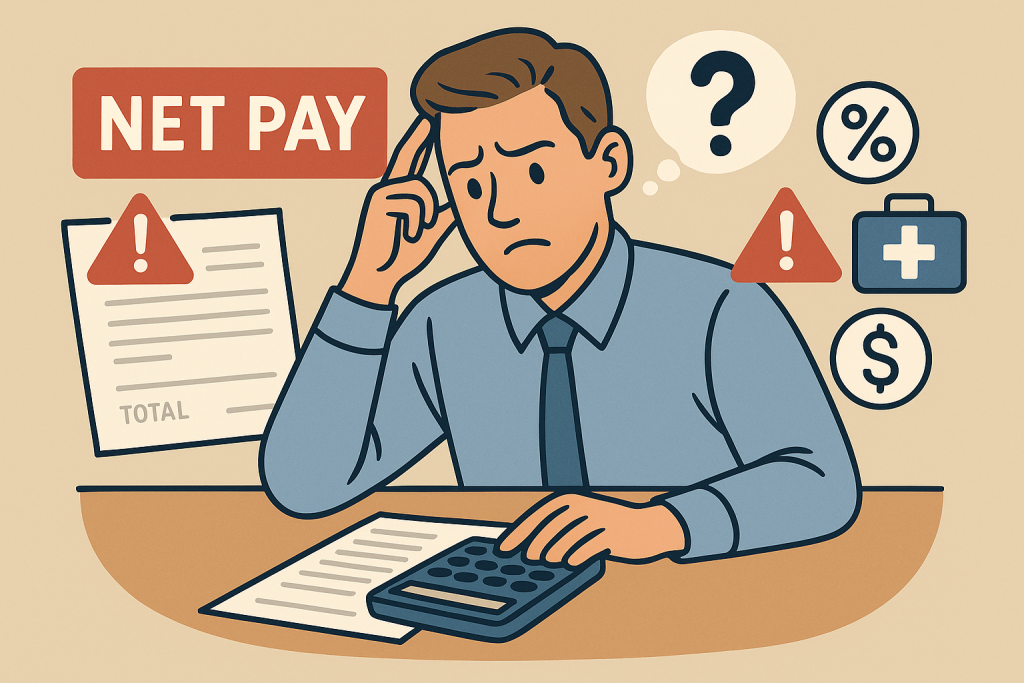
Overlooking deductions can significantly distort your net pay calculations. Many individuals fail to account for various mandatory and optional deductions, which can lead to unexpected pay discrepancies. When you ignore these deductions, you may find yourself short on funds, causing unnecessary financial stress. Thoroughly reviewing your pay stub for any deductions is imperative for an accurate understanding of your take-home pay.
Commonly Overlooked Tax Deductions
Several tax deductions often go unnoticed, affecting your net income. Some common examples include state-specific deductions, tax credits for education expenses, or expenses related to unreimbursed work costs. Failing to factor these in can lead to a misunderstanding of your effective tax rate and overall net pay.
Misunderstanding Health and Retirement Contributions
Your health and retirement contributions can greatly impact your net pay, as they may be pre-tax or post-tax. If you misunderstand how these contributions work, you might calculate your net pay inaccurately. For instance, employer-sponsored retirement plans typically allow you to contribute pre-tax funds, reducing your taxable income.
Contributions to health plans often come from pre-tax earnings, which means they lower your taxable income before deductions are applied. However, if you are not clear on whether your contribution is pre-tax or post-tax, it can significantly alter your net pay calculations. For example, a health expense deducted pre-tax will reduce your taxable income, whereas a post-tax contribution will not, impacting how much you take home. Accurately distinguishing between these can provide a clearer picture of your financial situation and help in planning for both taxes and imperative expenses.
Miscalculating Overtime and Bonuses
Errors in calculating overtime and bonuses can significantly impact your net pay, leading to frustration and financial discrepancies. Overtime pay rules can be intricate, and any miscalculations can result in you receiving less than owed. Additionally, bonuses can be structured in various ways, which can complicate how they affect your total earnings. Understanding these elements is important for accurate net pay assessment.
The Complexity of Overtime Rates
Miscalculating overtime rates can stem from misinterpreting the laws governing overtime eligibility. For example, while standard overtime is typically calculated at 1.5 times your regular hourly rate, variances may exist depending on your job classification, local regulations, or company policies. If you’re not careful, you might end up underestimating your earnings from those extra hours worked.
Bonus Structures and Their Impact on Net Pay
Bonuses can come in various formats, such as performance bonuses, sign-on bonuses, and retention bonuses, each affecting net pay differently. Often, these bonuses may be subject to payroll taxes just like regular earnings, yet you might overlook how they can alter your overall tax liability.
Understanding how bonus structures affect your net pay is vital. For instance, if you receive a bonus in a lump sum, it may push you into a higher tax bracket for that pay period, resulting in less take-home pay than anticipated. You should examine how bonuses are taxed in your jurisdiction and whether your employer applies a flat tax rate or withholding based on your expected annual income. By staying informed, you can better predict the impact of bonuses on your financial outcomes.
The Consequences of Incorrect Hours Worked
Errors in recording the hours worked can swiftly lead to significant discrepancies in your net pay. These mistakes not only impact your current paycheck but can also have lasting effects on your finances. Underreporting hours can hinder your ability to cover vital expenses, while overreporting can lead to tax complications and potential penalties. Ensuring accurate calculations is integral to maintaining financial stability.
The Importance of Accurate Timesheets
Maintaining accurate timesheets is vital for effective payroll processing. Without precise records, your employer may struggle to verify your work hours, leading to disputes or delays in payment. Each error can snowball, creating ripple effects on not just your salary but also your performance reviews and benefits eligibility. Clear and precise timekeeping ensures your hard work is appropriately compensated.
You want to read more all about net salary.
How Mistakes in Hours Can Affect Paychecks
Getting your hours wrong directly influences your take-home pay. For example, if you mistakenly report working 35 hours instead of the actual 40, your paycheck will reflect the reduced hours, resulting in a substantial loss of income. Conversely, if you report more hours worked, you may face deductions or adjustments from your employer and complications during tax season. This not only impacts your immediate financial situation but can also create distrust in the employer-employee relationship, affecting any future negotiations or raises.
Read also: Misunderstood paycheck deductions
Legal and Compliance Missteps
Insufficient knowledge of legal standards can lead to significant miscalculations in net pay. You need to ensure that you’re aware of both state and federal regulations affecting payroll, including minimum wage laws, overtime pay, and tax withholding requirements. Each state has its unique rules, which can vary widely, and failing to comply can result in hefty fines or legal issues. Diligently keeping up with these regulations is necessary for accurate payroll processing.
Understanding State and Federal Occupational Laws
State and federal occupational laws dictate specific pay structures, including minimum wage, overtime eligibility, and various mandatory deductions. Each state may have stricter requirements or additional benefits that aren’t addressed at the federal level. For instance, some states offer paid sick leave that must be factored into employee compensation, and neglecting to incorporate these laws can result in underpayment.
How Ignorance of Legal Standards Leads to Errors
Assuming that you’re in compliance without verifying can cause serious payroll errors. For example, if you’re unaware of changes to state tax rates, you might withhold too little, leading to unexpected tax liabilities for your employees. Laws change frequently, and outdated knowledge can directly affect your employee’s take-home pay. Such inaccuracies not only hurt your employees’ finances but can also expose you to audits and penalties.
Assuming you know your obligations without regularly reviewing changes in legislation sets you up for costly oversights. For instance, if an employee qualifies for overtime under new regulations but you continue to pay them based on outdated criteria, you risk fines and potential lawsuits. An employer found not complying with wage and hour laws can face back pay claims, which can add up quickly. A proper understanding and frequent review of these laws are vital to ensuring compliance and protecting your bottom line.
Practical Solutions for Accurate Net Pay Calculation
A systematic approach to calculating net pay can substantially enhance accuracy. Regularly updating your payroll systems and investing in education on tax law changes can prevent errors. Implementing these programs will help you create a culture of precision while ensuring your team is equipped with up-to-date knowledge and tools that streamline the payroll process.
Tools and Resources for Effective Payroll Management
Utilizing dedicated payroll software can significantly reduce errors in net pay calculations. Programs like QuickBooks and Gusto simplify the payroll process by automatically calculating taxes and deductions based on current regulations. Additionally, leveraging online resources and IRS publications can keep you informed on the latest implications for payroll management, ensuring compliance while maintaining accurate calculations.
Steps to Implement a Systematic Review Process
Establishing a systematic review process involves setting up a structured timeline for audits, designating responsible personnel for checking figures, and integrating a standard checklist for calculations. This will not only catch discrepancies but also reinforce accountability within your payroll team.
To effectively implement this process, begin by scheduling monthly reviews of payroll records, making it a habit for your team to double-check key figures, such as gross pay and applicable deductions. Encourage consistent documentation and feedback loops to identify repeat issues, refining your procedures over time. Employing a dedicated point person can centralize responsibility and ensure adherence to the review schedule, further enhancing your overall accuracy and compliance rates. Additionally, conducting quarterly training sessions will reinforce the importance of accuracy and keep your staff informed about evolving regulations.
More about: How to Estimate take-home pay correctly
Summary: Common Mistakes When Calculating Net Pay
The common mistakes when calculating net pay can lead to significant discrepancies in your financial planning. By ensuring you accurately account for all deductions, including taxes, benefits, and other withholdings, you protect your budgeting and spending decisions. Always double-check your calculations and use reliable resources to clarify any uncertainties. Staying informed about changes in tax laws and regulations can also help you avoid pitfalls, ultimately leading to a more accurate understanding of your net income.
What are some common errors when calculating deductions for net pay?
One frequent mistake is miscalculating tax withholdings. Employers should ensure they are using the latest tax tables and taking into account the employee’s W-4 information correctly. Another issue is not accurately accounting for mandatory deductions such as Social Security and Medicare taxes. Additionally, optional deductions like retirement contributions might be neglected or miscalculated if not consistently monitored. Keeping up-to-date with tax laws and confirming all forms are accurately filed can help minimize these errors.
How can incorrect gross pay impact net pay calculations?
If gross pay is inaccurately reported, it can significantly skew net pay. For instance, overlooking overtime hours or not including bonuses can lead to a lower gross income, thus affecting the total deductions and resulting in an inaccurate net pay figure. Similarly, mistakenly including unapproved pay increases can inflate gross pay incorrectly. Regularly reviewing pay records and ensuring all hours worked and payments made are accounted for can help prevent these types of mistakes.
What steps should be taken to ensure accurate net pay calculations?
To ensure accurate net pay calculations, it’s important to maintain detailed and organized payroll records. Regular audits of payroll processes can identify hidden errors. Employers should also provide training for payroll staff regarding tax regulations and deduction types. Implementing reliable payroll software can automate calculations and reduce human error. Lastly, consulting with a tax professional or accountant can help clarify complex situations, ensuring compliance and precision in payroll management.