
How to Read Your Pay Stub Deductions
With your pay stub in hand, understanding the various deductions is vital for managing your finances accurately. You might notice federal and state taxes, social security contributions, and healthcare premiums impacting your total earnings. Each deduction plays a significant role in determining your take-home pay and may affect your tax returns or benefits eligibility. By exploring into how to read your pay stub deductions, you can make informed decisions regarding your financial planning and overall compensation.
Key Takeaways:
- Understand the various sections of your pay stub, including gross pay, deductions, and net pay, to gain a complete picture of your earnings.
- Familiarize yourself with common deductions such as federal and state taxes, Social Security, Medicare, and any health or retirement contributions.
- Regularly review your pay stub for accuracy, ensuring that all deductions align with your employment agreements and personal selections.
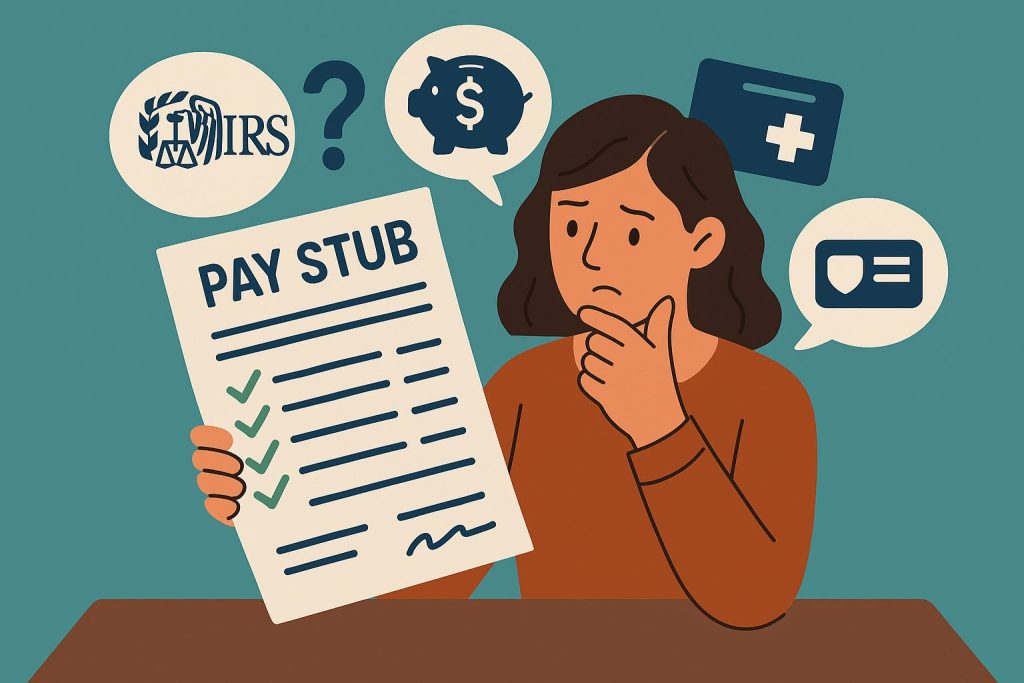
Decoding Your Compensation: Basic Components of a Pay Stub
Your pay stub consists of several key components that make up your total compensation, providing critical insights into your earnings and deductions. By breaking down each element, you can better understand how your paycheck reflects your work. Typical components include gross pay, deductions, and net pay, each offering a snapshot of your financial situation. Familiarizing yourself with these elements helps you ensure that you’re receiving fair compensation and can effectively plan your finances.
Gross Pay: Understanding Your Total Earnings
Gross pay signifies the total amount of money you earn before any deductions are made, encompassing your hourly wages or salary along with additional earnings like overtime and bonuses. This figure plays a pivotal role in calculating your take-home pay and understanding your overall compensation for the pay period.
Net Pay: What You Take Home After Deductions
Net pay is the amount of money you receive in your bank account after all deductions have been applied. Think of it as your true take-home pay, reflecting what you will actually spend or save. It’s important to grasp this figure, as your budget and financial planning revolve around it.
To fully appreciate your net pay, consider how various deductions impact your income. For example, if your gross pay is $3,000 but you have deductions totaling $800 for taxes, insurance, and retirement contributions, your net pay would then be $2,200. Tracking these deductions not only enables you to budget effectively but also empowers you to evaluate your financial goals and ensure that your withholdings accurately reflect your personal circumstances.
Dissecting Deductions: What’s Being Subtracted?
Your pay stub includes a detailed list of deductions that reduce your take-home pay. Understanding these deductions is vital to grasping how your earnings translate into actual income. Each item listed represents a specific charge or contribution that affects your paycheck, ensuring you are well-informed about where your hard-earned money is going. By breaking down mandatory and voluntary deductions, you can better anticipate your net income and budget accordingly.
Mandatory Deductions: Taxes and Social Security
Mandatory deductions typically include federal, state, and local taxes, as well as Social Security and Medicare contributions. These deductions are taken out of your gross pay and are subject to specific tax laws. For instance, the federal income tax is progressive, meaning the more you earn, the higher your tax rate will be. In 2023, the Social Security tax rate for employees is set at 6.2% on earnings up to $160,200, while the Medicare tax is 1.45% on all earnings.
Voluntary Deductions: Benefits and Retirement Contributions
Voluntary deductions reflect your choices regarding optional benefits and contributions to retirement accounts. These may include health and dental insurance premiums, life insurance, or contributions to 401(k) or IRA accounts. Each deduction reflects your personal choices and can significantly impact your overall financial health, especially regarding future retirement savings.
Focusing on voluntary deductions often reveals substantial potential for long-term benefits. For instance, if you choose to contribute to a 401(k) retirement plan, your contributions are typically made pre-tax, lowering your taxable income. Additionally, some employers offer matching contributions, effectively increasing your savings without additional cost. Understanding how much you contribute versus how much your employer adds can motivate you to maximize these benefits for an enhanced financial future.
The Tax Code Unveiled: Your Contributions Explained
Your pay stub is a snapshot of your financial contributions and obligations under the tax code. Understanding these deductions helps you keep track of what goes to federal and state taxes, as well as other crucial benefits. Familiarize yourself with these important elements by referencing resources like the How to Read Your Paystub, designed to clarify your earnings and deductions.
Federal Vs. State Tax: Navigating Your Tax Obligations
Understanding the distinction between federal and state tax withholding can significantly impact your take-home pay. Federal tax is typically a progressive tax based on your income, while state tax varies by state and may have its own flat rate or progressivity. You need to know how much is being deducted for each tax type to avoid surprises during tax season.
Social Security and Medicare: Funding Your Future
Social Security and Medicare deductions serve to secure your future benefits. Social Security accounts for 6.2% of your earnings up to a certain income cap, while Medicare has a standard rate of 1.45%. These contributions are vital as they directly affect the benefits you’ll receive during retirement or in the event of disability.
By contributing to Social Security and Medicare, you’re investing in a safety net that can support you throughout your life. For 2023, if you earn $160,200 or more, the Social Security tax will only apply to income up to that threshold. Beyond this limit, no additional Social Security tax will be withheld from your paychecks, but you will still contribute to Medicare. These deductions may seem significant now, but they play an imperative role in ensuring financial stability and access to healthcare later on.
Discover more about 401(k), hsa and insurance: to enhance your knowledge.
Benefits Breakdown: Health Insurance and Other Perks
Your pay stub not only outlines your income and taxes but also provides insights into your benefits. A clear breakdown of health insurance costs and other perks reduces any confusion, allowing you to fully appreciate what you receive from your employer as part of your compensation package. This overview ensures you understand the value of your employment beyond your base salary, helping you to make informed decisions about your financial future.
Health Insurance: Understanding Premiums and Coverage
Premiums for health insurance are often deducted directly from your paycheck, and they represent your share of the costs associated with your coverage. Depending on your plan, this could include a variety of options, such as medical, dental, and vision care. Knowing how much you contribute for these vital services helps you assess if you are getting good value from your benefits package.
Retirement Plans: Your Investment for Tomorrow
Your pay stub may also include deductions for retirement plans, which are vital for your financial stability in later years. Contributions to a 401(k) or other retirement accounts are often matched by employers, providing you with a powerful way to grow your savings. Understanding how much you contribute, alongside your employer’s match, can significantly influence your long-term financial health.
Contributions to retirement plans typically allow you to invest pre-tax income, enabling your savings to grow without immediate tax implications. For instance, if you contribute 5% of your salary to a 401(k) while your employer matches up to 3%, you’re effectively increasing your retirement nest egg without additional expense. Over time, even small contributions can compound significantly, due to the power of compound interest, thus reinforcing the importance of participating in these plans for future financial security.
Discover more about can you control your to enhance your knowledge.
Common Pay Stub Pitfalls: Avoiding Misinterpretations
Misinterpreting your pay stub can lead to unnecessary stress and confusion. How to Read Your Paycheck Stub provides clarity on the various components, helping you steer clear of common pitfalls such as mixing up deductions or overlooking the significance of specific abbreviations. Small errors or misunderstandings can result in inaccurate budgeting or even skipped tax filings, so vigilance is necessary.
Oversights and Errors: What to Look For
Check for discrepancies in hours worked and overtime calculations, as these are frequent sources of errors. If your pay stub lists your hours as less than expected, you might miss out on rightful earnings. Additionally, ensure that calculated taxes reflect your current tax status. If you experience sudden fluctuations in your deductions, consider revisiting any recent life changes that could affect your pay.
Rights and Remedies: Addressing Pay Stub Discrepancies
When discrepancies appear on your pay stub, promptly address them with your employer or HR department. Your rights under the law protect you from unduly reduced pay. Make sure you know the normal timeframe for receiving corrected documents, which generally should happen within one pay cycle according to labor laws.
Providing documentation can enhance your case when addressing pay stub discrepancies. Start by gathering your previous pay stubs for comparison and highlight any differences in your expected earnings versus actual amounts. Open communication with your HR is key; they may require you to submit a formal request or grievance to initiate a review process. Remaining proactive and informed about your rights is imperative to resolving these issues efficiently, ensuring you receive the accurate compensation you deserve.
Explore our deductions guide for how to understand the broader context.
Summary to: How to Read Your Pay Stub Deductions
Following this guide will empower you to accurately read and understand the deductions on your pay stub. By familiarizing yourself with the various sections and terminology, you can easily track how your earnings are distributed and ensure that your deductions align with your financial goals. With this knowledge, you can take control of your financial wellbeing and address any discrepancies with confidence.
FAQ
What are the common deductions I can find on my pay stub?
On your pay stub, you may encounter several common deductions, including federal income tax, state income tax, Social Security tax, and Medicare tax. Additionally, you might see deductions for health insurance premiums, retirement contributions (such as 401(k) plans), and any other voluntary benefits such as life insurance or disability insurance. Each of these deductions serves a specific purpose and is crucial to understanding your overall compensation.
How can I calculate my net pay using my pay stub deductions?
To calculate your net pay from your pay stub, start with your gross pay, which is the total earnings before any deductions. Then, list all the deductions specified on your pay stub, including taxes and benefits. Subtract the total amount of deductions from your gross pay. The resulting figure will be your net pay, which is the amount you take home after all deductions have been applied. This calculation helps provide clarity on how much of your earnings are being withheld for various purposes.
What should I do if I notice an error in my pay stub deductions?
If you suspect there is an error in your pay stub deductions, the first step is to review the pay stub and identify the specific deduction that seems incorrect. Ensure you have all relevant documentation, such as job contracts or benefits enrollment forms, that support your claim. Afterward, communicate with your HR or payroll department as soon as possible to address the issue. They can investigate the discrepancy and make any necessary corrections. It’s important to resolve these errors promptly to ensure that you receive the proper compensation you are entitled to.