
How Filing Status Affects Your Federal Tax
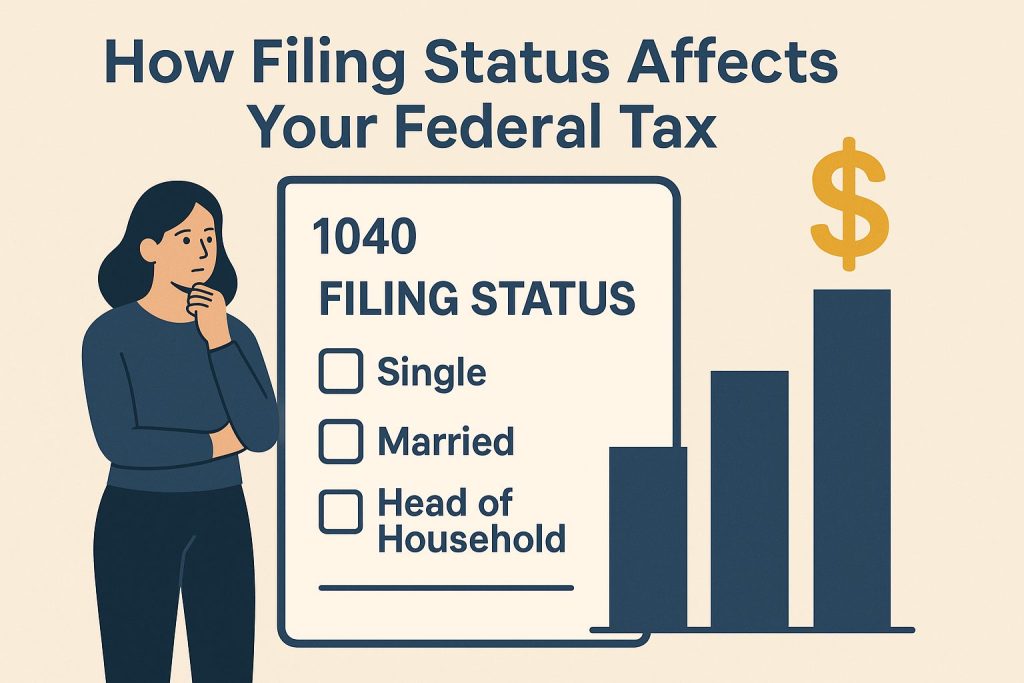
Tax planning is imperative for optimizing your financial situation, and understanding how filing status affects your federal tax is key. Your filing status determines your tax rates, eligibility for certain credits, and even your deductions. Choosing the right status can lead to significant savings or, conversely, expose you to a higher tax bill. Whether you’re single, married, or head of household, knowing how each category influences your obligations will empower you to make informed decisions about your taxes.
Key Takeaways:
- Your filing status determines the tax brackets that apply to your income, which can significantly impact your overall tax liability.
- Different filing statuses come with varying standard deduction amounts, affecting the portion of your income that is taxable.
- Your filing status influences eligibility for certain tax credits and deductions, which can further alter your tax outcome.
The Tax Code’s Structural Framework
The tax code is designed with a framework that categorizes taxpayers based on their filing status, ensuring the system simplifies tax computation while considering varying circumstances. Each bracket reflects differences in financial situations, personal relationships, and responsibilities. By grouping taxpayers into a defined structure of categories like single, married filing jointly, or head of household, the code aligns benefits, responsibilities, and rates with your life circumstances, ultimately influencing your tax outcomes significantly.
The Role of Filing Status in Tax Computation
Your filing status directly affects how your taxable income is calculated. The IRS assigns different tax brackets based on these statuses, which means the rate at which your income is taxed varies. For example, a single filer faces different brackets compared to someone filing jointly, often resulting in a lower tax liability for the latter due to wider income ranges. This variance can lead to substantial savings or additional costs based on the category you fall into.
How Filing Status Influences Deductions and Credits
The selection of filing status not only affects tax brackets but also alters the available deductions and credits. Some statuses allow you to claim more significant standard deductions or eligible credits, potentially lowering your taxable income even further. For instance, the standard deduction for married couples filing jointly is nearly double that for single filers, meaning you pay taxes on a reduced income amount.
Filing jointly often opens the door to various credits, such as the Earned Income Tax Credit (EITC) that could significantly enhance your tax refund. Each filing status has specific eligibility requirements and varying benefits, which means understanding your situation thoroughly can help optimize your claim. The additional deductions, such as for childcare or education, may also be limited or affected based on your filing choice. It’s necessary to evaluate your options annually, as changes in circumstances could lead to more advantageous tax outcomes.
Navigating the Different Filing Status Options
Understanding your filing status is necessary for navigating the complexities of your federal tax obligations. The IRS recognizes several categories, each with distinct implications for your tax liability. You can discover detailed options for how to file your federal income tax return, allowing you to select the most advantageous filing status for your situation.
Single vs. Married Filing Separately: The Hidden Costs
Choosing between Single and Married Filing Separately can expose you to various hidden costs. When you file separately, you may lose out on certain tax credits and deductions, such as the Earned Income Tax Credit and education credits. This can lead to a higher overall tax bill compared to filing jointly, depending on your income and expenses.
Married Filing Jointly: Benefits vs. Risks
Filing Married Filing Jointly usually provides the greatest tax benefits, such as a higher standard deduction and access to various credits. However, both spouses are jointly responsible for any tax liabilities. This means that if one partner underreports income or racks up tax debts, both could be held accountable. Knowing the risks and benefits can help you decide the best route for your financial situation.
When you file jointly, the standard deduction doubles, and tax brackets widen, which can significantly lower your taxable income. While having the allure of lower potential tax rates, remember that both partners will be on the hook for tax liabilities. You might wish to consult a tax professional to weigh your specific risks against the substantial savings that joint filing may offer.
Head of Household: Eligibility and Advantages
Filing as Head of Household provides a significant tax advantage for qualifying individuals, including a higher standard deduction and lower tax rates compared to single filers. To qualify, you must be unmarried or considered unmarried at the end of the year and have a dependent living with you for more than half the year.
The benefits of the Head of Household status can be substantial, as it offers a better tax bracket structure and a larger standard deduction—$20,800 in 2023, compared to $13,850 for single filers. Utilizing this status effectively can lead to lower overall taxes, especially if you have dependents or substantial childcare expenses. It’s wise to assess your dependency situation carefully, as qualifying can open doors to further deductions and tax credits, enhancing your tax position.
The Ripple Effects of Filing Status on Tax Liability
Your chosen filing status extends beyond basic categorization; it ripples through various aspects of your federal tax liability, shaping your overall tax landscape. As you determine your filing status, be aware that it influences your eligibility for various credits, deductions, and the tax rates that apply to your income. An advantageous filing choice can significantly lower your tax bill and enhance potential benefits.
Income Brackets and Tax Rates
Filing status directly impacts the income brackets you fall into, which affects the tax rates applied to your taxable income. For instance, single filers face higher rates at lower income thresholds compared to married couples filing jointly, who benefit from wider brackets. This means that a couple may pay substantially less on a similar combined income than if they filed as individuals.
Impact on Other Key Tax Calculations
Your filing status also affects various tax calculations such as eligibility for credits, the standard deduction, and phase-outs for deductions. Different statuses come with specific rules that can either widen or narrow your tax benefits, greatly impacting your final tax liability. For example, if you’re married and file jointly, you can access a higher standard deduction—$27,700 for 2023—compared to $13,850 for single filers. Additionally, certain tax credits, like the Earned Income Credit, are more accessible at lower income levels if you file as married rather than single, which can result in hundreds or thousands of dollars in savings. Understanding how these factors intertwine is crucial for optimizing your tax situation and making informed decisions as you prepare your return.
Discover more about do freelancers pay more to enhance your knowledge.
Strategic Filing: Leveraging Status for Optimal Tax Outcomes
Strategically selecting your filing status can significantly impact your overall tax liability, allowing you to take advantage of various deductions and credits. By evaluating your personal situation—such as marital status, number of dependents, and income level—you can optimize the benefits associated with each filing status. Engaging in strategic planning helps avoid tax pitfalls and ensures that you maximize any tax advantages available to you.
Common Strategies for Maximizing Deductions
Effective deduction strategies often hinge on understanding the nuances of your filing status. For example, couples filing jointly can combine incomes and share deductions, significantly increasing their standard deduction. Utilizing tax credits, such as the Child Tax Credit for qualifying dependents, can further reduce your tax burden. Furthermore, itemizing deductions may prove more beneficial depending on whether you file as single or married filing separately, allowing you to play to your strengths.
Adjusting Your Status: When and Why it Matters
Adjusting your filing status can yield substantial tax benefits depending on life changes such as marriage, divorce, or changes in dependents. Certain life events might render you eligible for a more beneficial filing status, which can lead to lower taxable income and increased deductions. For example, if you recently married, switching from single to married filing jointly often reduces your overall tax rate significantly.
Making adjustments to your filing status is especially relevant during transitional periods. Couples who marry in the tax year can assess which status—joint or separate—provides the best tax reward. For single parents, filing as Head of Household can unlock higher deductions compared to standard filing. Seasonal transitions, like moving states or having a child, may influence your eligibility for certain credits and deductions as well. Keeping a close eye on these changes allows you to make informed decisions that directly affect your tax liability.
Discover more about understanding pre-tax vs post-tax to enhance your knowledge.
Real-Life Scenarios: The Filing Status Decision-Making Process
Choosing the right filing status can drastically alter your tax outcome. You may find yourself weighing options between Single, Married Filing Jointly, or Head of Household, depending on your financial situation. A thorough understanding of Filing Status: What It Means on Your Taxes, Types is beneficial. Each scenario presents distinct tax brackets and deductions that can save or cost you money.
Case Examples and Financial Implications
Consider a married couple earning $120,000 jointly versus filing as two singles. Filing jointly may qualify them for a lower tax bracket, reducing their overall liability, while filing separately could increase it. Alternatively, a single parent could benefit significantly from the Head of Household status, gaining access to larger standard deductions and credits that would not be available if filing as Single.
Lessons Learned from Filing Status Missteps
Many taxpayers unknowingly select the wrong filing status, resulting in higher tax liabilities or missed credits. For example, individuals who overlook the benefits of Head of Household can leave significant tax savings on the table. Simple errors like these underscore the importance of understanding how your unique situation impacts potential refund amounts.
These missteps often arise from a lack of comprehension regarding various filing statuses. You may grossly underestimate available deductions and credits by opting for a status based simply on your marital situation without considering income levels, dependents, or potential tax breaks. Such oversights not only lead to increased tax bills but can also affect your overall financial strategy. Assessing your eligibility for all filing options could yield significant long-term savings. Ensure you weigh all aspects thoroughly before finalizing your choice to maximize your refund or minimize your tax payment.
Explore our federal income tax guide for how to understand the broader context.
Summary: How Filing Status Affects Your Federal Tax
To wrap up, your filing status plays a significant role in determining your federal tax liability and potential refund. Whether you choose to file as single, married filing jointly, or head of household can impact your tax rates, deductions, and credits. Understanding the nuances of each status empowers you to make informed decisions that could lead to tax savings. By selecting the filing status that best reflects your personal circumstances, you can optimize your overall tax situation and ensure compliance with IRS regulations.
How does my filing status impact my tax rates?
Your filing status determines the tax brackets that apply to your taxable income. The United States has several tax brackets, each with its own tax rate, and they are structured differently based on filing status. For instance, single filers typically have higher tax rates at lower income levels compared to married couples filing jointly. This can significantly affect the amount of tax you owe. By understanding your filing status, you can strategize to maximize your tax benefits.
Can my filing status influence my eligibility for tax credits and deductions?
Yes, your filing status can greatly influence your eligibility for various tax credits and deductions. For example, certain credits, such as the Earned Income Tax Credit (EITC), have different eligibility requirements based on filing status. Additionally, some deductions, like the Child Tax Credit, can yield higher amounts for filers who are married and filing jointly, compared to single filers or those who are married but filing separately. Evaluating these distinctions can help you optimize your tax return.
What should I consider when choosing my filing status?
When choosing your filing status, consider your marital status, whether you have dependents, and your income level. Each status—such as single, married filing jointly, married filing separately, head of household, or qualifying widow(er)—comes with different tax implications. Take into account how your choice affects your tax rate, eligibility for credits and deductions, and overall tax liability. It may also be beneficial to consult a tax professional for personalized advice based on your specific situation.