
Gross Pay vs Net Pay – A Visual Guide
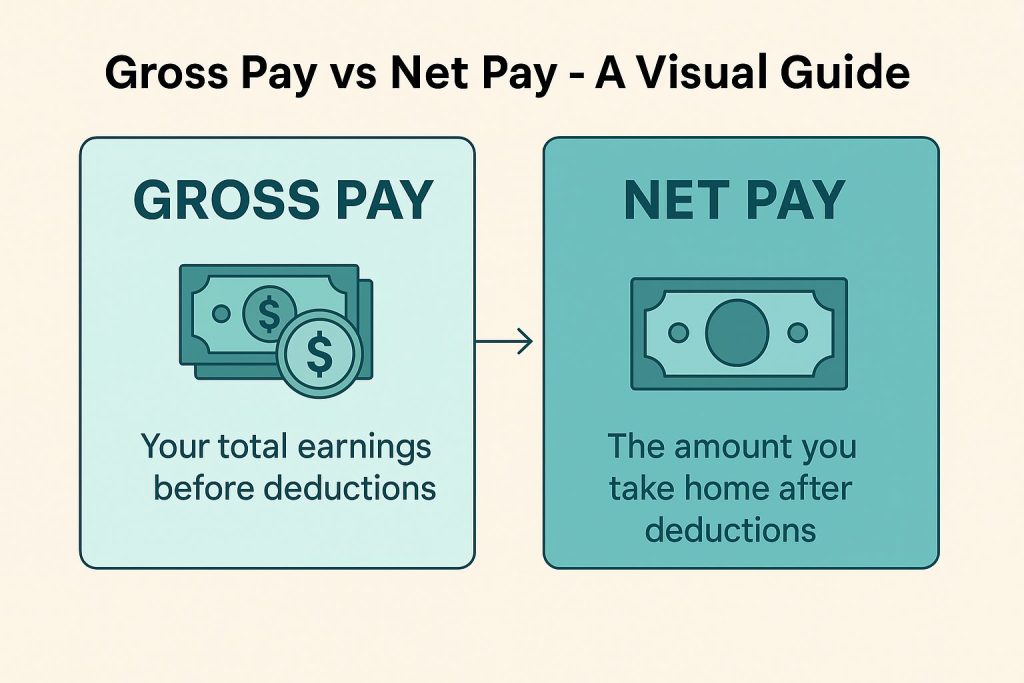
With a clear understanding of gross pay and net pay, you can better navigate your financial landscape. Gross pay represents your total earnings before deductions, whereas net pay reflects the amount you actually take home after taxes and other withholdings. This guide will help you visualize the differences between these two vital financial figures, empowering you to make informed decisions about your budget and financial future. Understanding these terms is not just beneficial—it’s crucial for achieving your financial goals.
Key Takeaways:
- Gross pay is the total earnings of an employee before any deductions such as taxes, insurance, or retirement contributions.
- Net pay is the amount an employee takes home after all deductions have been subtracted from gross pay.
- Understanding the difference between gross pay and net pay is vital for effective personal budgeting and financial planning.
The Building Blocks of Compensation
Understanding the foundations of your compensation package is vital, as it encompasses more than just your salary. Your overall compensation includes various elements such as bonuses, benefits, and allowances. These building blocks play a significant role in determining your financial well-being and satisfaction with your employer. Each component works together to create a complete picture of what you earn and what you receive in exchange for your work.
Decoding Gross Pay: What You Need to Know
Gross pay is your total earnings before any deductions are applied, effectively acting as your starting point. This figure includes not only your base salary but also overtime, bonuses, commissions, and any other earnings. For example, if your annual salary is $50,000, but you earn an additional $5,000 in bonuses, your gross pay totals $55,000. Understanding this number helps you gauge your full earning potential before taxes and deductions come into play.
Net Pay Uncovered: The Impact of Deductions
Your net pay is the amount you take home after all deductions have been subtracted from your gross pay. These deductions can include taxes, insurance premiums, and retirement plan contributions, which significantly reduce your take-home amount. For instance, if your gross pay is $55,000, and after $10,000 in deductions, your net pay amounts to $45,000.
Deductions can vary from state to state and include mandatory contributions such as federal and state taxes, Social Security, and Medicare. Additionally, voluntary deductions such as health insurance premiums and retirement savings plans can further reduce your net pay. Understanding these deductions is vital, as they directly impact your financial planning and budgeting. For instance, if you have multiple deductions for various benefits, keeping track of these costs and how they fit into your overall financial picture can help you make informed decisions about your compensation and spending habits.
The Financial Framework: Taxes and Other Deductions
Your gross pay is not the entire story when it comes to your earnings; taxes and other deductions play a significant role in shaping your net pay. Understanding how these deductions are applied helps you draw a clearer picture of your financial situation. From federal and state taxes to health insurance and retirement contributions, each piece impacts what you take home. An overview of these components aids in effective budgeting and financial planning.
Federal and State Taxes: What Influences Your Take-Home Pay
Federal and state taxes can vary greatly based on your income level, filing status, and applicable deductions. For example, the federal income tax is structured in progressive brackets, meaning that different portions of your income are taxed at different rates. State taxes can further influence your net pay differently, depending on where you live. Understanding your specific tax obligations allows you to estimate your take-home pay more accurately.
Benefits and Contributions: The Costs that Reduce Your Net Income
Benefits and contributions, including health insurance premiums, retirement plan payments, and other voluntary deductions, significantly reduce your net income. These deductions vary widely based on your employer’s offerings and your individual choices, impacting the overall amount you receive in your paycheck. For instance, opting into a 401(k) plan at a 5% contribution level means that 5% of your gross pay goes directly into retirement savings before taxes are taken out, directly affecting your immediate earnings.
When considering benefits and contributions, think of how they can influence both your short-term and long-term financial health. For example, enrolling in a comprehensive health insurance plan can result in higher monthly deductions from your pay but could save you significant amounts in medical costs over time. Similarly, contributing to an HSA (Health Savings Account) or FSA (Flexible Spending Account) offers tax advantages that can enhance your overall savings. Always review your benefits package to maximize what you gain while understanding the impact on your net pay.
A Visual Breakdown: Comparing Gross Pay and Net Pay
To fully grasp your financial situation, you need a solid understanding of the relationship between gross pay and net pay. The following table outlines key differences and factors that contribute to your paycheck:
| Gross Pay | Your total earnings before any deductions. |
| Net Pay | Your take-home pay after deductions like taxes and benefits. |
| Deductions | Include federal/state taxes, Social Security, and health insurance premiums. |
Infographics: Illustrating the Paycheck Process
Infographics provide an engaging way to visualize the paycheck process, illustrating how gross pay transforms into net pay. You can explore a comprehensive visual guide in the following resource: Gross Pay vs Net Pay: Understanding Your Earnings Breakdown. This will help you see the relationship between different elements affecting your take-home earnings.
Charts and Comparisons: Understanding Variations Across Income Brackets
Charts comparing gross pay and net pay across different income brackets reveal substantial differences in deductions. Understanding these variations allows you to anticipate your net income based on your gross salary. The table below illustrates how various income levels impact your earnings.
| Income Bracket | Estimated Net Pay Percentage |
| $30,000 – $50,000 | 75% – 85% |
| $50,001 – $75,000 | 70% – 80% |
| $75,001 – $100,000 | 65% – 75% |
You’ll notice from the data that as your income increases, the net pay percentage generally decreases due to higher taxes and deductions. Factors such as State Income Tax or other withholdings can significantly alter your take-home, making it indispensable to analyze your specific situation. Below is a more detailed breakdown of net pay across various income brackets:
| Income Bracket | Typical Deductions (% of Gross) |
| $30,000 – $50,000 | 15% – 25% |
| $50,001 – $75,000 | 20% – 30% |
| $75,001 – $100,000 | 25% – 35% |
The Real Cost of Employment: Making Sense of Paychecks
The distinction between gross pay and net pay reveals the true financial landscape of your employment. Understanding this difference is important to budgeting accurately and managing your expenses effectively. Each paycheck reflects a range of deductions that can significantly impact your financial situation. Therefore, it’s vital to familiarize yourself with the breakdown of your paycheck. For a deeper examine this topic, check out Gross Pay Vs Net Pay: What’s the Difference?.
The Role of Employment Benefits in Your Financial Picture
Employment benefits like health insurance, retirement contributions, and paid time off contribute significantly to your overall compensation package. These benefits may not appear in your gross pay but add substantial value that influences your financial well-being. Consider the cost of purchasing these benefits independently—employer-sponsored options are typically more economical, greatly enhancing your financial landscape even if they slightly reduce your take-home pay.
How Your Location Can Shift Gross vs. Net Pay Dynamics
Your geographical location can play a significant role in the amount reflected as gross vs. net pay. Different states and cities impose varying tax rates, impacting how much you actually take home. For instance, living in states with no income tax, like Texas or Florida, can leave you with a higher net pay despite a similar gross salary compared to areas with higher taxation, such as California or New York. Thus, your location affects not only your gross earnings but also your overall financial health.
Beyond income taxes, local cost-of-living factors must also be taken into account. Urban areas often have higher living expenses, which may offset a higher gross pay. Conversely, rural locations may offer lower salaries but come with reduced living costs, allowing you to stretch your net pay further. Understanding these dynamics, including property taxes, local sales tax, and even transportation costs, is important for making informed financial decisions and achieving better overall stability.
Learn more about calculate gross salary to deepen your understanding.
Insights from Payroll Experts: Common Myths and Facts
Debunking Misconceptions Surrounding Gross and Net Pay
Many people believe that gross pay represents the take-home amount, leading to confusion regarding their actual earnings. Net pay, which accounts for taxes, benefits, and other deductions, is often significantly less than your gross pay. While gross pay is a useful figure for salary negotiations, understanding the actual amount you receive is necessary for budgeting and financial planning.
Expert Advice: Maximizing Your Take-Home Income
To enhance your net pay, consider tax-deferred retirement accounts, flexible spending accounts for healthcare, and other benefits that reduce your taxable income. Utilizing these options effectively can lead to a substantial increase in your overall take-home earnings, enabling you to maximize financial flexibility.
For instance, contributing to a 401(k) not only prepares you for retirement but also reduces your taxable income, ultimately increasing your net pay. If you’re eligible for employer-matching contributions, failing to maximize these could mean leaving free money on the table. Additionally, investing in health savings accounts (HSAs) allows you to pay for medical expenses tax-free. Hybrid strategies combining these approaches can significantly impact your financial stability and increase your available cash flow.
Learn more about bonus impact on gross salary to deepen your understanding.
Summary: Gross Pay vs Net Pay – A Visual Guide
Now that you understand the difference between gross pay and net pay, you can better manage your finances and plan your budget effectively. Gross pay represents your total earnings before any deductions, while net pay is what you actually receive after taxes and other contributions. By visualizing these concepts, you can make informed decisions about your financial future and ensure that you are aware of how much you actually take home. This knowledge empowers you to make smarter choices regarding savings and expenditures.
Learn more about gross pay overview to deepen your understanding.
FAQ
What is the difference between gross pay and net pay?
Gross pay refers to the total amount of money earned by an employee before any deductions are made. This includes hourly wages, overtime pay, bonuses, and any other earnings. Net pay, on the other hand, is the amount an employee takes home after all deductions such as taxes, social security, health insurance, and retirement contributions have been subtracted from the gross pay. In simple terms, gross pay is the total earnings, while net pay is the actual amount received by the employee.
What deductions are typically taken out of gross pay to calculate net pay?
Various deductions can be taken out of gross pay to arrive at net pay. Common deductions include federal, state, and local taxes, Social Security contributions, Medicare taxes, and other withholdings. In addition, employees may opt to voluntarily deduct amounts for health insurance, retirement savings plans (like a 401(k)), and other benefits. Each deduction can vary based on individual circumstances, state laws, and federal guidelines, affecting the final net pay amount.
Why is understanding the difference between gross pay and net pay important for employees?
Understanding the distinction between gross pay and net pay is necessary for employees as it helps them budget and plan their finances accurately. When knowing the gross pay, employees can better assess their total compensation and any potential benefits, while net pay gives a realistic view of the actual money available for spending. Additionally, awareness of the deductions taken can empower individuals to make informed decisions regarding benefits, tax planning, and savings strategies for the future.