
Does Remote Work Save on State Taxes?
With the rise of remote work, many individuals like you are questioning how it affects your state tax obligations. You might believe that working from a different state can lead to significant tax savings, but the reality is often more complex. Your tax liability will depend on various factors, including your employer’s location and the state laws applicable to your situation. Understanding these nuances can help you navigate potential financial pitfalls and maximize your savings while working remotely.
Key Takeaways:
- Remote workers may still be liable for state income taxes in their resident state, even if they work for a company based in a different state.
- Some states have specific laws regarding taxation for remote workers, which can lead to double taxation if not properly navigated.
- It is important to consider the tax policies of both the home state and the employer’s state to understand any potential savings or liabilities.
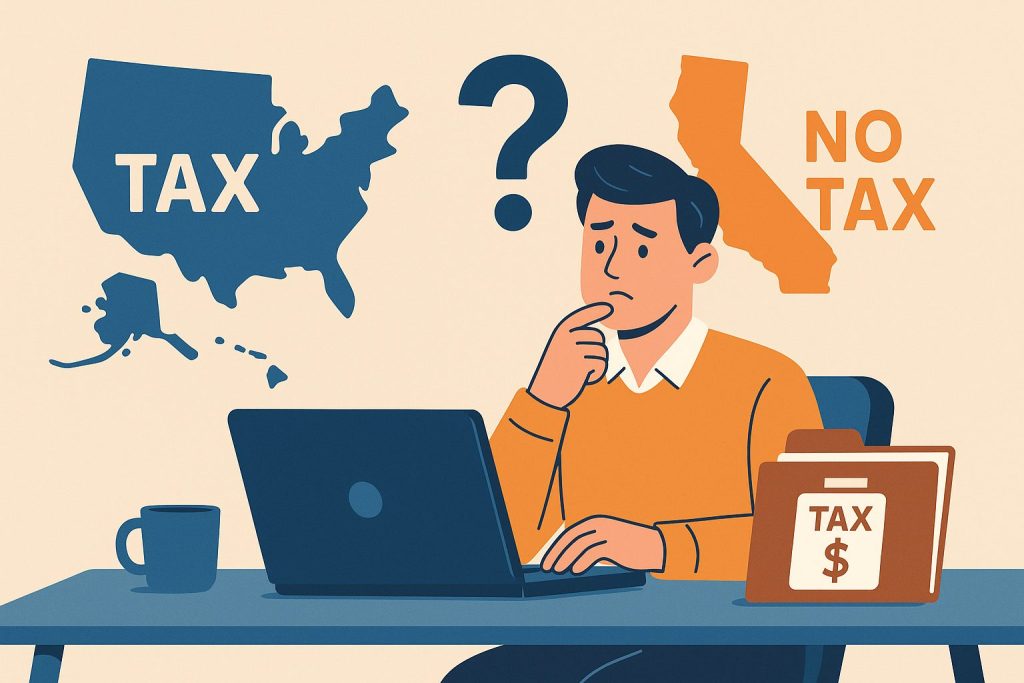
The Tax Landscape: Understanding State Tax Obligations
The intricacies of state tax obligations can be challenging, especially for remote workers. Each state has its own tax laws and thresholds, which can lead to confusion about where you owe taxes. Generally, you are subject to state income tax in the state where you are a resident, but other factors, such as temporary work in another state, can complicate this. Awareness of specific filing requirements and exemptions, such as the convenience of the employer rule or reciprocal agreements between states, becomes important for navigating these waters.
Where You Work vs. Where You Live: The Legal Framework
Your tax responsibilities often hinge on the distinction between your workplace and your residence. If you live in one state and work remotely for a company in another, the legal framework varies significantly based on state laws. Generally, income is taxed in the state where it’s earned, but states may also impose tax on income sourced from local work activities. Understanding these nuances helps prevent unwitting violations of tax laws.
Nexus: How Remote Work Changes Tax Responsibilities
Nexus refers to the connection between you and a state that establishes tax obligations. In a remote work setting, this connection isn’t always straightforward. While working from home may diminish your physical presence in your employer’s state, certain factors, like maintaining a home office or occasionally traveling for work, may create substantial nexus, activating tax liabilities you weren’t aware of.
For instance, if you telecommute full-time from a state that doesn’t impose income taxes while occasionally meeting your team in a high-tax state, you might unintentionally trigger nexus by taking part in work-related activities there. Some states establish nexus based on the number of days worked within their borders or the nature of your work. For instance, California has strict nexus requirements, while other states may provide more lenient guidelines, especially for remote workers. Knowing the nexus rules in both your home and employer’s states is vital to avoid unexpected tax liabilities.
The Financial Impact of Remote Work on State Tax Bills
Remote work can significantly alter your state tax obligations, impacting your overall financial situation. As you consider your options, understanding how your physical location influences state taxes is necessary. Different states impose varied tax rates and tax structures, and by strategically relocating, you may encounter considerably different state tax bills that could enhance your disposable income.
Comparing Tax Rates: High-Tax vs. Low-Tax States
| State Type | Average State Income Tax Rate |
|---|---|
| High-Tax States | 5% – 13% |
| Low-Tax States | 0% – 4% |
Can Location Choices Lead to Significant Savings?
Choosing a remote work location with favorable tax rates can yield substantial savings on your state tax bills. By relocating from a high-tax area to one that taxes at lower rates, your potential tax bill can drop significantly. These savings can provide you with greater financial flexibility, whether directing more funds toward savings, investments, or personal expenditures.
For example, if you move from California, which has a top tax rate around 13%, to Florida, where there is no state income tax, your annual tax savings could reach thousands of dollars, depending on your income level. This means a worker earning $100,000 annually might save over $10,000 in state taxes simply by making a strategic move. Such financial considerations can inspire a re-evaluation of your living situation, making remote work not only a lifestyle choice but a way to improve your overall financial health.
The Pitfalls of Remote Work Tax Strategies
Remote work can offer tempting tax strategies, but potential pitfalls may emerge. If you assume you’ll save on state taxes simply by working from home in a different state, you might be in for a rude awakening. Each state has its own tax laws, and where and how do remote workers pay taxes becomes a nuanced issue. Disregarding these laws can lead to costly penalties or back taxes that can quickly negate any savings.
Unconventional Work Locations: Risks and Consequences
Choosing unconventional locations to work remotely can introduce significant risks. States typically have their own rules about taxing income earned within their borders, and if you set up shop in an unexpected location, you might inadvertently create a tax liability there. Situations arise where your income becomes taxable in a state you never thought would apply, ultimately leading to complicated audits and possible double taxation.
Navigating Multi-State Tax Complications: A Challenging Maze
Working across multiple states complicates your tax obligations significantly. Each state offers unique tax guidelines, which you must abide by. Some states employ a “day count” method to determine how many days you can work there without triggering tax liabilities, while others tax based on income earned. This intricate web of rules can easily confuse remote workers and lead to inadvertent financial mistakes.
Canada’s got a day-count approach, while states like California and New York implement stricter requirements, raising the stakes for remote workers. For example, if you perform work for a company based in New York but reside in Texas, you might still be obligated to file a New York return. Failure to navigate this maze correctly could result in owing taxes to more than one state, increasing your financial burden and complicating future returns.
Discover more about hidden costs of moving to enhance your knowledge.
The Role of Employers in Remote Work Tax Decisions
Your employer plays a significant role in determining your tax situation when working remotely. Depending on where your employer is located and where you reside, they may need to adjust their approach to tax withholdings and reporting procedures. Understanding these dynamics can be tricky. For a deeper explore your responsibilities and possible implications, check out What Remote Workers Need To Know For Tax Season.
Employer Obligations: Tax Withholding and Reporting
Employers have specific obligations regarding tax withholding and reporting for remote employees. If you work in a different state than your employer, they may be required to withhold taxes for both states. This could lead to complications, such as double taxation, unless you apply for credits where applicable. Ensuring compliance with these tax laws is crucial, as improper handling can result in significant penalties for employers.
Innovative Benefits: How Companies Can Support Remote Workers
Companies can provide innovative benefits that cater specifically to remote workers, enhancing job satisfaction and productivity. Options like flexible work hours, reimbursement for home office setups, and access to mental health resources can improve employee morale. By being proactive in supporting remote employees, you not only foster loyalty but also promote well-being, leading to a more efficient workforce.
These innovative benefits can include stipends for internet and utility costs, wellness programs tailored for remote settings, and virtual team-building activities. Developing a comprehensive support system helps you maximize work-life balance and ensures that you feel valued, ultimately translating into higher retention rates for employers. Initiatives that foster connection among dispersed teams, such as remote social events or online skill-sharing workshops, can create a sense of community that enhances both individual and organizational performance.
Discover more about how moving states changes to enhance your knowledge.
Expert Insights: Voices from Tax Professionals
Insights from tax professionals reveal a nuanced view of remote work taxation. Many experts emphasize that while working remotely can reduce commuting costs and other expenses, it doesn’t necessarily mean an automatic reduction in state tax liabilities. For example, some states require remote employees to pay income taxes based on where they physically perform the work, not just their employer’s location. This makes understanding the specific tax requirements of both your residence and employer’s state important for proper tax planning.
Common Misconceptions: What Many Get Wrong About Remote Taxes
A prevalent misconception is that living in a state with no income tax automatically exempts you from state taxes if you work remotely for an out-of-state employer. However, many states assess taxes based on your work location, leading to tax obligations in the state where you physically conduct your work. Failing to comprehend these nuances can lead to costly penalties and back taxes you weren’t expecting.
Future Trends: The Evolving Landscape of Remote Work Taxation
The landscape of remote work taxation is evolving rapidly as more companies adopt flexible work arrangements. Many states are revising their tax laws to account for the significant surge in remote employees, which could lead to enhanced compliance requirements and increased audits. For example, some states are now considering proposals to tax remote workers based on the number of days they spend working within state borders, further complicating tax obligations for remote employees.
Companies and employees alike need to stay informed about these developments, as changes in tax policies may lead to new reporting requirements and potential tax liabilities. With states aiming to capture lost revenue from workers residing within their borders, it’s likely we’ll see more regulation and possibly an expansion of tax treaties to mitigate double taxation. Keeping in touch with a tax professional who understands these trends can prove invaluable in navigating this shifting landscape.
Explore our relocation impact guide for does to understand the broader context.
Final Words: Does Remote Work Save on State Taxes
To wrap up, as you navigate the complexities of remote work and state taxes, it’s crucial to understand that your tax obligations may vary significantly based on where you live and work. Each state has its own rules regarding tax residency and income sourced from remote employment. By researching and consulting with tax professionals, you can position yourself to make informed decisions that potentially save you money while complying with state tax laws related to remote work.
FAQ
How does remote work impact my state tax obligations?
When you work remotely, your state tax obligations generally depend on your residency status and the location of your employer. If you reside in a different state than where your employer is located, you may be subject to the tax laws of both states. Typically, you would pay taxes in the state where you live, but you may also need to file a return in the employer’s state, particularly if they impose state income tax. It’s important to check if your state has a reciprocal agreement with the employer’s state to prevent double taxation.
Can I avoid state taxes by working remotely from a different state?
It is not guaranteed that you can avoid state taxes entirely by working remotely from a different state. States may have regulations regarding the taxation of income earned by remote workers based on the location of the employer or the worker, and some states may impose taxes regardless of your location if they believe you are earning income connected to their state. Always check both states’ tax laws and consult a tax professional to understand your obligations fully.
Are there any tax benefits to working remotely in a different state?
There might be potential tax benefits to working remotely in a different state, particularly if you relocate to a state with lower or no state income tax. For instance, moving from a high-tax state to one without income tax could lead to significant savings. However, this depends on various factors, including your residency status and any tax credits or deductibles available in your new state. It’s advisable to assess your specific situation and consult with a tax advisor to optimize your tax strategy while working remotely.