
Do Bonuses Push You Into a Higher Tax Bracket?
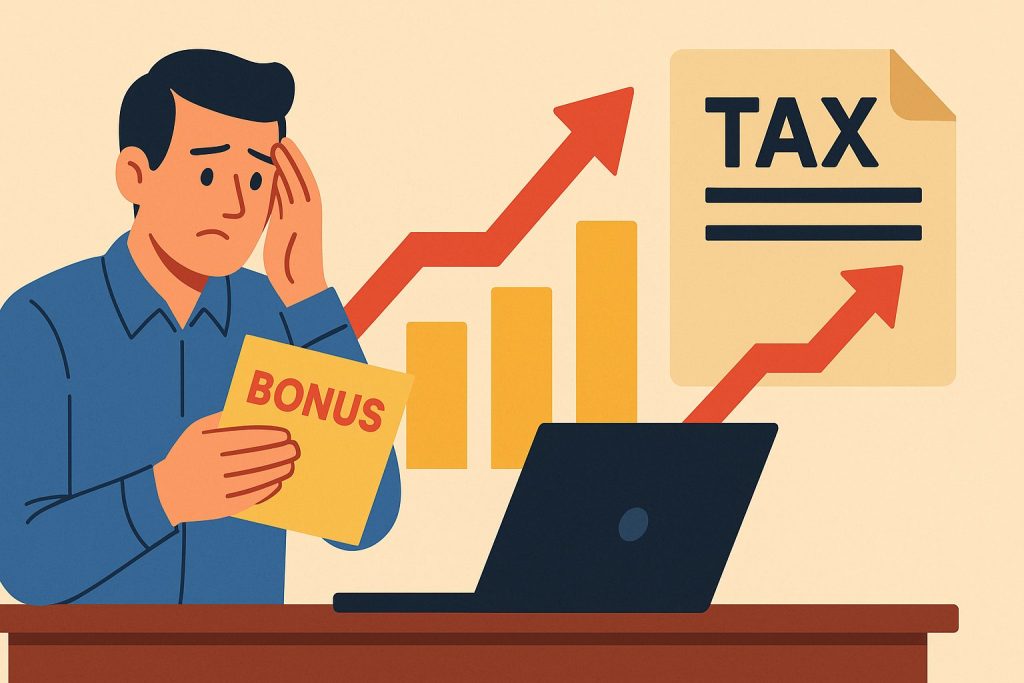
There’s a common concern among employees that receiving a bonus could potentially push you into a higher tax bracket, leading to more taxes owed. It’s important to understand how bonuses are taxed and what that means for your overall income. When you receive a bonus, it can be subject to a different tax withholding method, which sometimes results in a larger tax bill than you might expect. In this post, we will explore how bonuses affect your tax bracket and what you can do to manage your taxes effectively.
Key Takeaways:
- Bonuses are considered supplemental income and are taxed at a higher rate than regular income, which can impact your overall tax liability.
- Receiving a bonus can potentially push your total income into a higher tax bracket, but the overall tax impact will depend on your total earnings and deductions.
- Employers may use different methods for withholding taxes on bonuses, which can affect your take-home amount and tax outcome when you file your return.
How Bonuses Are Taxed: The Mechanics Explored
Understanding the taxation of bonuses requires a closer look at how these additional earnings are processed by the IRS. Bonuses are classified as supplemental wages, which means they might face a different withholding method than your standard paychecks. Depending on your employer’s choice, this could either involve a flat rate or an aggregate method, both of which are designed to ensure you meet your tax obligations while avoiding any unexpected surprises during tax season.
Tax Withholding on Bonuses
Tax withholding for bonuses often differs from regular income withholding. Employers can opt for a flat withholding rate of 22%, as specified by the IRS, or they can incorporate the bonus into your most recent paycheck and withhold taxes based on your cumulative earnings. This method may lead to a higher withholding rate if the bonus pushes your total income up significantly, affecting your total tax assessment at the end of the year.
The Impact of FICA Taxes on Extra Earnings
FICA taxes, which fund Social Security and Medicare, also apply to your bonus payments. You may not realize it, but this means you’ll pay an additional 7.65% in FICA taxes on top of the federal income tax withholding. The combination of these taxes can substantially decrease the net amount you ultimately receive from your bonus, regardless of how it is distributed or what method your employer chooses for withholding. This means planning for the actual take-home amount from your bonus is just as important as planning for your overall tax situation.
The Relationship Between Bonuses and Tax Bracket Changes
Receiving a bonus can influence your overall tax situation. Depending on the amount, it might push your earnings into a higher tax bracket. The IRS categorizes bonuses as supplemental wages, subjecting them to withholding rates that differ from your standard income. For detailed information on how bonuses affect your tax brackets, check out Bonus Tax Rate 2025: How Bonuses Are Taxed.
Calculating Your Taxable Income with Bonuses
When calculating your taxable income, any bonus you receive is added to your regular earnings for the year. This total could potentially increase your overall tax liability, as it might push your income above the threshold of a higher tax bracket. You should factor this into your financial planning to avoid unexpected tax burdens.
The Thresholds of Tax Brackets and Their Significance
Tax bracket thresholds determine the percentage of tax you pay on your income. For instance, if you exceed a particular threshold, the income above that limit gets taxed at a higher rate. Understanding these thresholds can help you predict whether a bonus will significantly affect your tax rate.
The significance of tax brackets lies in their progressive structure, where income above certain levels is taxed at increasingly higher rates. For example, in the 2023 tax year, individual filers pay 12% on income up to $10,275 and 22% on income from $10,276 to $41,775. If your pre-bonus income sits just below a bracket, a significant bonus could thrust some of your income into a higher tax rate, amplifying your total tax responsibility. This makes it important to analyze the potential shifts in your financial landscape when bonuses are on the table.
Real-Life Scenarios: Does Your Bonus Push You Over the Edge?
Analyzing your financial situation can clarify whether your bonus will push you into a higher tax bracket. Increased earnings can place you into a different bracket, but not all of your income is taxed at that new rate. If you want to dive deeper into how bonuses impact your overall tax position, How Are Bonuses Taxed? Rates, How It Works in 2025 provides helpful insights.
Case Analyses of Various Income Levels
Take, for example, a single filer earning $80,000 annually with a $5,000 bonus. The bonus can elevate your income to $85,000, possibly moving you into a higher tax bracket where income is taxed at a marginally higher rate on the amount exceeding the threshold. However, only the income above that threshold will be taxed at the increased rate.
The Role of Deductions and Credits in Tax Planning
Tax planning often hinges on your deductions and credits. These can effectively lower your taxable income, which is especially beneficial when considering the potential impact of a bonus.
Utilizing deductions such as student loan interest, mortgage interest, or charitable contributions can substantially reduce your taxable income. For example, if your adjusted gross income is pushed into a higher bracket due to a bonus, applying the right deductions may help ease that burden by lowering your taxable income back down. This strategy prevents you from unfairly bearing the weight of higher taxes on additional income earned through your hard work.
Discover more about how do us tax to enhance your knowledge.
Strategic Planning: Managing Your Bonuses for Tax Efficiency
By employing thoughtful strategies to manage your bonuses, you can enhance your tax efficiency and minimize any potential detriment to your overall tax situation. This involves careful consideration of how, when, and how much tax is withheld, enabling you to make the most of your supplemental income. Planning proactively can ultimately lead to significant savings and improved financial outcomes.
Timing Your Bonus: Pay Periods and Accrual
The timing of your bonus can significantly influence your tax liability. If you receive your bonus at the end of the tax year, it might push you into a higher tax bracket, whereas receiving it earlier gives you the chance to adjust your withholdings or plan for any additional tax implications. Consider discussing with your employer if there’s flexibility in the timing of your bonus payouts to optimize your tax outcomes.
Adjusting Withholding: Proactive Steps to Take
Adjusting your withholdings in anticipation of a bonus can help manage the impact on your tax bracket. If you know a bonus is coming, you can either increase your withholding rate for the pay period in which you receive the bonus or reduce it temporarily to offset the additional income. This proactive approach ensures you don’t face an unexpected tax bill come tax season.
To effectively adjust your withholdings, you might consider submitting a new Form W-4 to your employer, indicating a higher withholding rate for the specific pay period when you expect your bonus. This can decrease your take-home pay during that period, but it will offset the additional taxes due to your bonus and mitigate the risk of being bumped into a higher tax bracket. Alternatively, if you anticipate owing more taxes due to the bonus, you may choose to claim fewer deductions until the bonus is paid, allowing you to buffer your tax bill more effectively during filing season. Always review your overall tax situation and consult with a tax advisor to tailor these strategies to your specific circumstances.
Navigating the Emotional Terrain: Perceptions of Bonus and Tax Implications
The emotional landscape surrounding bonuses often intertwines anxiety and excitement, creating a mixed bag of perceptions regarding their tax implications. Many employees view bonuses as a rewarding gesture from their employers but worry how those extra earnings might impact their tax bracket. This concern can overshadow the inherent benefit of receiving a bonus, leading to a potentially negative psychological state that detracts from the joy of financial achievement.
Discover more about 2025 irs bracket breakdown to enhance your knowledge.
Employee Perspectives on Bonuses and Stress
Societal Impacts of Higher Earnings and Tax Bracket Anxiety
The societal pressure surrounding higher earnings and the associated tax bracket anxiety can significantly influence personal well-being. As conversations about income inequality and taxation become more prevalent, individuals often internalize societal expectations, leading to stress and apprehension about financial success. This focus on the negative implications of increased earnings may detract from the perceived value of bonuses and discourage productivity.
Heightened awareness of tax brackets in society creates an environment where earnings are scrutinized and fretted over. Many collective conversations revolve around how the wealthy are taxed, leading employees to hesitate in celebrating bonuses that might elevate their status. For instance, a bonus can feel less like a reward and more like a burden that comes with the fear of being penalized through taxation. Communities experiencing economic strain may further amplify these feelings, leading to a cycle of anxiety around financial achievement that permeates workplace culture, ultimately stifling ambition and innovation.
Explore our tax brackets guide for do to understand the broader context.
Summary: Do Bonuses Push You Into a Higher Tax Bracket
As a reminder, bonuses can impact your tax situation by potentially pushing you into a higher tax bracket, depending on your total annual income. If your bonus raises your income above certain thresholds, you may owe more in taxes. It’s important for you to understand how these additional earnings affect your overall financial picture and consider tax withholding options. Consulting a tax professional can provide tailored advice for your specific situation and help you plan effectively for any tax implications related to your bonuses.
Do bonuses count as regular income for tax purposes?
Yes, bonuses are considered supplemental income and are subject to federal and state taxes just like regular wages. When you receive a bonus, it increases your total income for the year, which can impact your overall tax liability. Employers typically withhold taxes on bonuses at different rates depending on how they choose to report them, but the total amount earned—including bonuses—will be included when determining your tax bracket for the tax year.
Will receiving a bonus automatically put me in a higher tax bracket?
Not necessarily. While a bonus does raise your overall income, you would only be put into a higher tax bracket if your total income for the year exceeds the threshold for that bracket. The U.S. tax system is progressive, meaning that different portions of your income are taxed at different rates. If the increase from the bonus alone does not raise your total income above the next tax bracket for the entire year, you may only pay a higher tax rate on the amount that exceeds the lower threshold, rather than on your entire income.
How are bonuses taxed differently from regular wages?
Bonuses can be taxed differently than regular wages due to the method of withholding used by employers. There are two main methods for withholding taxes on bonuses: the percentage method and the aggregate method. The percentage method involves withholding a flat percentage (currently 22% for federal taxes) from the bonus amount. The aggregate method involves adding the bonus to your most recent regular paycheck and withholding taxes based on the total. This can lead to a higher withholding if the combined total pushes you into a higher withholding bracket temporarily. Regardless of the method used for withholding, the bonus will be reported as part of your total annual income when you file your taxes.